


Views: 288 Author: Hongyuan Silicone Publish Time: 2026-08-23 Origin: Site


Content Menu
● Silicone vs. Polycarbonate Molds: Quick Comparison
>> Why Silicone Molds Are Popular
● What Is a Polycarbonate Mold?
>> Why Polycarbonate Molds Create Glossy Chocolate
● Silicone Molds: Main Advantages and Limitations
>> Advantages of Silicone Molds
>> Limitations of Silicone Molds
● Polycarbonate Molds: Main Advantages and Limitations
>> Advantages of Polycarbonate Molds
>> Limitations of Polycarbonate Molds
● The Decision Framework for Buyers
>> Choose Silicone Molds When You Need:
>> Choose Polycarbonate Molds When You Need:
● Expert Insight: The Mold Is Only One Part of the Result
>> A Practical Chocolate Example
● How to Evaluate Mold Quality Before Ordering
>> 1. Confirm the Intended Application
>> 2. Review Material and Compliance Documents
>> 3. Inspect Mold Construction
● Why Manufacturing Capability Matters
>> Are silicone molds better than polycarbonate molds?
>> Do silicone molds make chocolate shiny?
>> Are silicone molds suitable for baking?
>> Why do professional chocolatiers use polycarbonate molds?
>> Can polycarbonate molds go in the oven?
>> How do I choose a silicone mold supplier?
>> What should I ask before ordering custom silicone molds?
Choosing between silicone molds and polycarbonate molds is not simply a material decision. For bakery brands, chocolate makers, food manufacturers, wholesalers, and retailers, it affects product appearance, production speed, cleaning routines, breakage risk, packaging, and long-term purchasing cost.
At Yangjiang Hongyuan Trading Co., Ltd., we work with global buyers that require reliable silicone kitchenware for supermarkets, online retailers, wholesalers, and private-label programs. From our manufacturing experience, silicone and polycarbonate molds serve different production goals. Silicone molds prioritize flexibility, versatility, and easy release. Polycarbonate molds prioritize rigidity, glossy finishes, and highly repeatable visual precision.
This practical comparison explains when to choose silicone vs. polycarbonate molds, what each material does best, and how importers and brands can build the right mold assortment for their market.
| Feature | Silicone Molds | Polycarbonate Molds |
|---|---|---|
| Material behavior | Flexible, soft, elastic | Rigid, hard, impact-resistant |
| Best applications | Baking, gummies, ice, candy, soap, frozen desserts | Chocolate, pralines, truffles, professional confectionery |
| Demolding | Very easy; mold can be flexed | Relies on correct cooling and product shrinkage |
| Surface finish | Usually matte to semi-gloss | Typically high-gloss and sharply defined |
| Detail reproduction | Good for many shapes | Excellent for fine geometric details |
| Heat performance | Suitable for oven use when rated for the intended temperature | Better suited to cool or moderate-temperature confectionery workflows |
| Handling | Needs a tray or support when filled | Stable and easy to carry when filled |
| Cleaning | Generally easy; often dishwasher-compatible if specified | Usually best washed gently by hand |
| Initial cost | Often lower for standard designs | Usually higher, especially for premium professional molds |
| Ideal buyer | Kitchenware brands, bakeware programs, broad-use retailers | Premium chocolate brands, confectionery workshops, specialist suppliers |
The right choice depends on the end product—not on which material is "better" in every situation.
A silicone mold is made from a flexible elastomer that can bend, stretch, and return to its original shape. In food applications, buyers should specify food-contact-compliant silicone and request appropriate testing documentation for the intended destination market.
Silicone molds are widely used for:
- Cakes, muffins, breads, and baked desserts
- Chocolates and simple candies
- Gummies and gelatin desserts
- Ice cubes and frozen treats
- Soap, wax, resin, and craft projects
- Air-fryer accessories and reusable kitchen tools
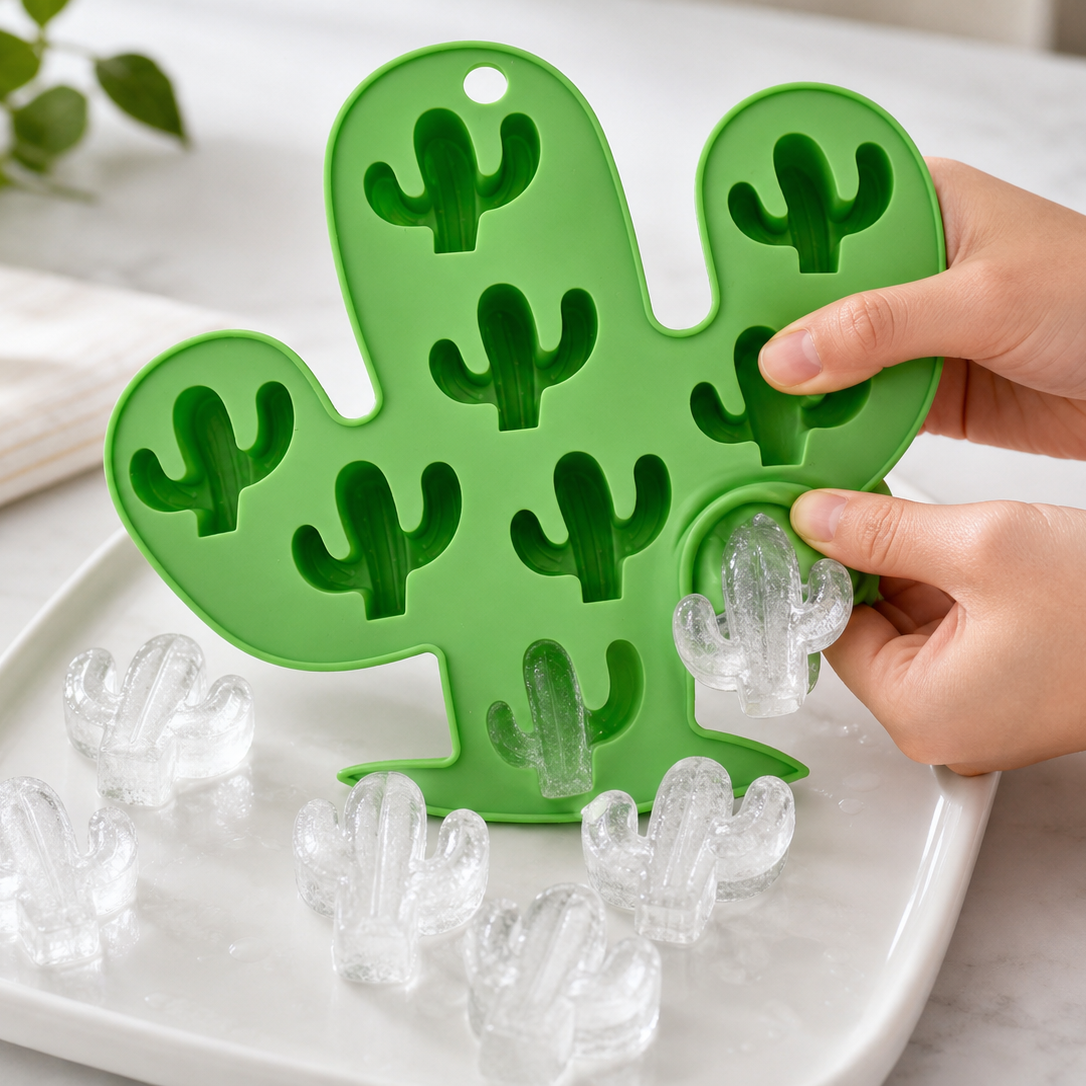
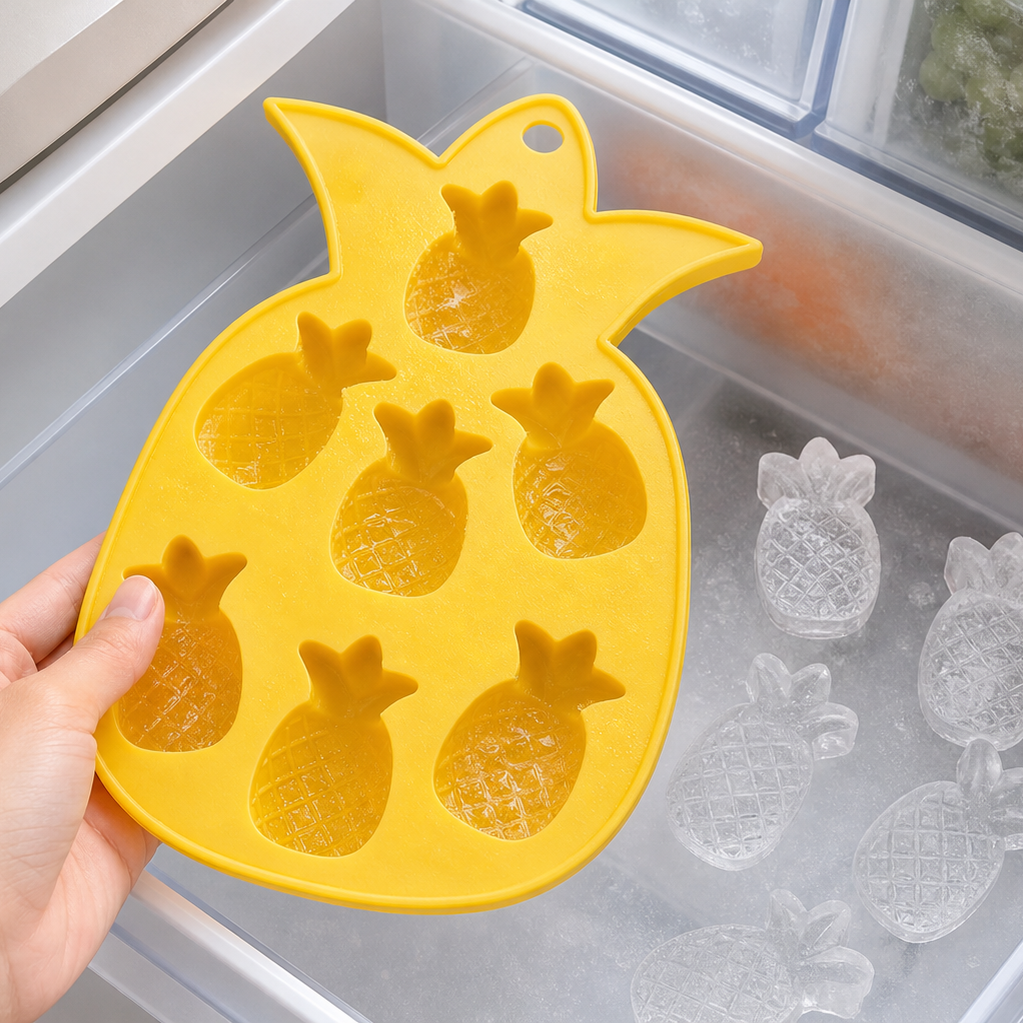
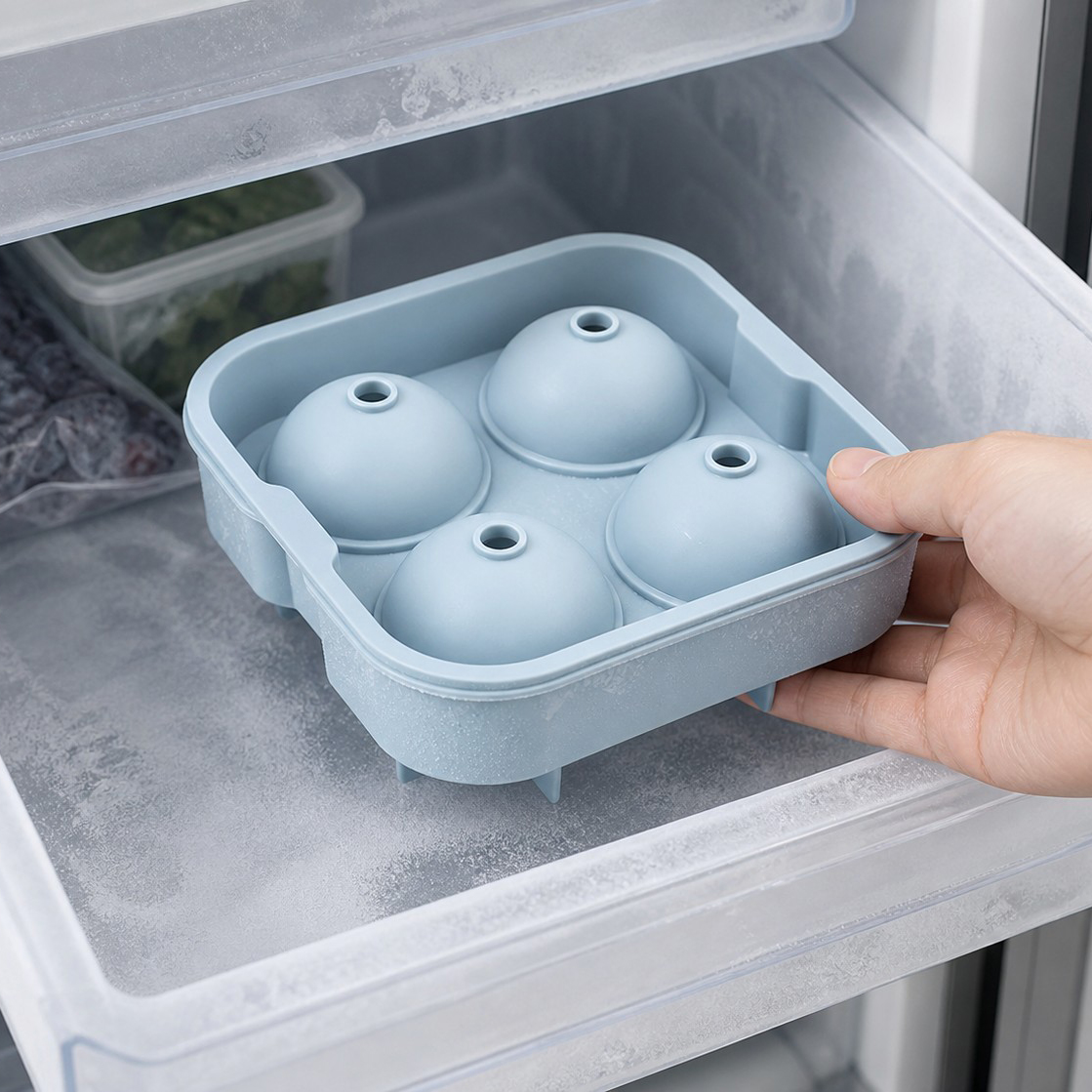
For kitchenware suppliers, silicone offers strong product-development flexibility. It can be produced in many colors, shapes, sizes, and branding formats. A buyer can create a standard muffin mold, a seasonal holiday mold, or a custom logo-shaped ice tray using the same core material category.
The biggest advantage is easy release. Instead of depending entirely on a product shrinking away from the mold wall, the user can gently flex the silicone cavity to remove the finished item.
This is particularly helpful for:
- Soft baked goods
- Sticky caramel products
- Gummies
- Frozen desserts
- Novelty shapes with undercuts
- Home users with limited technical confectionery experience
Silicone is also attractive because it can support multi-purpose product positioning. A single mold may be marketed for baking, freezing, microwaving, candy-making, and craft use—provided product claims match the actual material specification and tested use conditions.
A polycarbonate mold is a rigid plastic mold commonly used in professional chocolate and confectionery production. It is valued for stiffness, dimensional stability, and its ability to create highly polished chocolate surfaces when used with correctly tempered chocolate.
Professional chocolate makers often prefer polycarbonate molds for:
- Pralines
- Filled bonbons
- Chocolate bars
- Truffles
- Decorative chocolate pieces
- Premium gift-box confectionery
Because the mold does not flex during handling, it remains stable on a worktable, conveyor, refrigerator shelf, or packaging line. This stability makes it easier to control fill levels and maintain consistent cavity shapes.
For chocolate, the mold surface plays a major role in the final visual result. A clean, polished, rigid polycarbonate cavity can help produce sharp edges and a glossy exterior when chocolate is properly tempered, deposited, cooled, and released.
Polycarbonate is therefore often the stronger choice when a brand sells premium chocolates where visual presentation is central to perceived value.
A glossy bonbon with crisp geometry can communicate craftsmanship before the consumer tastes it. For gift products, luxury retail, and boutique confectionery, that surface quality can justify a higher shelf price.
1. Flexible demolding
Silicone bends around the finished product, reducing the effort needed to release delicate cakes, frozen portions, candies, and novelty shapes.
2. Broad temperature versatility
High-quality silicone molds are commonly selected for both hot and cold applications. This makes them useful for baking, freezing, chilling, and microwave heating when the product's rated operating range supports those uses.
3. Easier product innovation
Silicone enables brands to create playful, seasonal, custom, and multi-cavity designs. This is useful for retailers that need new launches for Christmas, Halloween, Valentine's Day, children's products, or influencer-led product collections.
4. Space-efficient storage
Flexible silicone molds can be stacked, rolled, or stored more easily than bulky rigid molds. This can help retailers and end users with limited storage space.
5. Suitable for wider kitchenware ranges
A silicone mold can be part of a broader coordinated collection that includes spatulas, baking mats, oven mitts, ice trays, lids, and air-fryer accessories.
Silicone is flexible, but that flexibility can create operational challenges.
- Filled molds may need a baking tray or metal support underneath.
- Thin-walled designs can move during transfer.
- Chocolate surfaces may appear less glossy than those produced in polished rigid molds.
- Poor-quality silicone can develop odors, discoloration, stickiness, or reduced performance over time.
- Extremely detailed designs may not achieve the same sharp finish as precision rigid cavities.
For commercial buyers, the lesson is clear: silicone quality is not interchangeable. Material formulation, wall thickness, cavity design, curing process, pigment quality, and production control all influence performance.
1. Premium visual results
Polycarbonate molds are widely chosen for chocolates that need a mirror-like shine, sharp corners, and professional geometry.
2. Excellent dimensional stability
The rigid structure helps operators fill, scrape, tap, chill, and move molds without the mold changing shape.
3. Strong repeatability
For high-volume confectionery, stable cavities improve portion control and reduce variation between batches.
4. Long service life under correct use
Polycarbonate molds can withstand repeated production cycles when handled carefully, cleaned correctly, and protected from scratches.
5. Better presentation for luxury products
For high-end pralines, signature bonbons, corporate gifts, and boutique chocolate collections, the material supports a more refined final appearance.
Polycarbonate molds require more controlled operating conditions.
- They are less suitable for flexible demolding.
- They can crack or scratch if dropped, mishandled, or cleaned aggressively.
- They are not the preferred choice for high-heat baking.
- Proper chocolate tempering is essential for easy release and surface shine.
- Initial purchasing costs are often higher than standard silicone molds.
- Storage needs more protection because surface scratches can affect finished chocolate appearance.
For a chocolate producer, polycarbonate is a performance tool. For a general kitchenware brand, it can be too specialized unless chocolate making is a core category.
| Product Type | Better Choice | Why |
|---|---|---|
| Muffins, cakes, and breads | Silicone | Easy release and oven-friendly versatility |
| Gummies and gelatin candy | Silicone | Flexible cavities make removal easier |
| Ice cubes and frozen treats | Silicone | Flexible demolding reduces breakage |
| Handmade soap or wax | Silicone | Supports complex and novelty shapes |
| Premium pralines | Polycarbonate | Better shine, crisp edges, and repeatability |
| Filled chocolate bonbons | Polycarbonate | Stable cavity walls support professional processing |
| Chocolate bars | Polycarbonate | Strong visual definition and polished finish |
| Seasonal home baking kits | Silicone | Broad use, lower entry barrier, colorful designs |
| Boutique confectionery gifts | Polycarbonate | Premium surface quality supports upscale presentation |
When sourcing molds, do not begin with the question: "Which material costs less?" Begin with the final product and the customer experience you want to deliver.
- A multi-purpose baking and freezing product
- Easy release for consumers
- Custom shapes, colors, or private-label designs
- A family-friendly or beginner-friendly product
- A mold suitable for cakes, ice, candy, and crafts
- Lower logistics risk from breakage during distribution
- A coordinated silicone kitchenware collection
- Professional chocolate presentation
- Glossy, sharp, premium-looking confectionery
- A rigid mold for controlled filling and handling
- High repeatability in a chocolate workshop
- Product consistency for gift boxes or luxury retail
- Precision cavities with strong visual definition
In practice, many disappointing mold results are caused by process problems rather than the mold material itself.
For silicone baking molds, common issues include overfilling, insufficient support during transfer, uneven heating, and removing baked products before they have cooled enough to set.
For polycarbonate chocolate molds, common problems include poor tempering, fingerprints inside cavities, moisture exposure, scratched surfaces, and incorrect cooling conditions.
A premium mold cannot fully compensate for an uncontrolled process. However, the correct mold can make the process more forgiving and more repeatable.
Imagine a premium chocolate brand launching a 12-piece gift box.
If the brand wants faceted bonbons with a highly reflective shine, precise edges, and a luxury unboxing experience, a polycarbonate mold is the more appropriate choice.
Now consider a supermarket launching a children's baking range with dinosaur-shaped brownies, ice cubes, jelly, and homemade candy. A silicone mold delivers more consumer value because it is easy to use across several applications and works well with playful, irregular shapes.
The same buyer may need both materials—but for different product lines.
Before placing a wholesale, OEM, or ODM order, request more than a product photo. A structured evaluation process reduces quality disputes and protects your brand.
Define whether the mold will be used for:
- Baking
- Chocolate production
- Freezing
- Candy and gummies
- Microwave heating
- Dishwasher cleaning
- Non-food crafts
Material selection should match the intended use. Avoid broad claims that the product has not been designed or tested to support.
For food-contact products, ask the supplier for relevant documentation for the target market. Depending on the product and destination, this may include:
- Food-contact test reports
- FDA-related documentation for the U.S. market
- LFGB testing for relevant European buyer requirements
- REACH-related documentation
- Migration testing where applicable
- Factory quality-management documentation
- Social compliance records if required by retail customers
Food-contact materials placed on the EU market must meet the general safety requirements of Regulation (EC) No 1935/2004, while Good Manufacturing Practice requirements are addressed under Regulation (EC) No 2023/2006. Buyers should evaluate documentation in relation to the actual product, intended use, and selling market.
For silicone molds, check:
- Wall thickness
- Rim strength
- Cavity consistency
- Odor after production
- Surface smoothness
- Flexibility without excessive collapse
- Color uniformity
- Fit with support trays, if included
For polycarbonate molds, check:
- Cavity polish
- Scratch resistance
- Mold flatness
- Edge finishing
- Cavity depth consistency
- Ease of handling
- Packaging protection during shipping
A laboratory report matters, but it should be paired with practical testing.
For silicone molds, test baking release, freezer release, odor retention, staining, and repeated cleaning.
For polycarbonate molds, test chocolate shine, release consistency, cleaning response, scratch resistance, and structural stability after repeated cycles.
For large retailers and brand owners, a mold supplier must deliver more than a functional sample. The supplier must maintain consistency from the first approved sample through mass production.
Yangjiang Hongyuan Trading Co., Ltd. supports silicone kitchenware OEM and ODM projects through a 4,500 m² main factory and a 2,000 m² branch facility. This production structure supports large-volume programs, including orders of up to 1 million pieces within 60 days, depending on product complexity, packaging requirements, and order confirmation details.
Our customers serve markets across the European Union, United States, United Kingdom, Australia, and South America. For export-focused buyers, we support custom mold development, color matching, logo options, retail packaging, and quality-control requirements for silicone kitchenware programs.
Our product compliance capabilities include ISO 9001, BSCI, LFGB, FDA, and REACH-related documentation and testing support according to project needs. The right compliance path should always be confirmed for the product design, end use, and destination market.
Choose silicone molds when versatility, flexible release, baking performance, creative shapes, and consumer convenience matter most.
Choose polycarbonate molds when chocolate gloss, rigid handling, fine details, and premium confectionery presentation are the priority.
For retailers and private-label brands, the strongest assortment strategy is often not silicone versus polycarbonate. It is silicone and polycarbonate, with each material assigned to the product category where it delivers the best user experience.
If you are developing a silicone baking mold, gummy mold, ice tray, chocolate mold, or complete silicone kitchenware collection, contact Yangjiang Hongyuan Trading Co., Ltd. to discuss OEM design, ODM development, color customization, packaging, testing documentation, and scalable manufacturing for your target market.
Neither is universally better. Silicone molds are better for flexibility, baking, freezing, easy release, and multi-purpose home use. Polycarbonate molds are better for glossy, sharply detailed professional chocolate products.
Silicone molds can produce attractive chocolate, but the surface is usually less glossy than chocolate made in a polished polycarbonate mold. Chocolate tempering, mold cleanliness, and cooling conditions also strongly affect shine.
Yes, food-grade silicone molds designed and rated for baking are widely used for cakes, muffins, breads, and other baked products. Buyers should confirm the product's rated temperature range and intended-use instructions with the supplier.
Professional chocolatiers use polycarbonate molds because the rigid, polished cavity surface supports sharp details, stable handling, consistent portioning, and a high-gloss chocolate finish when the chocolate is properly tempered.
Polycarbonate molds are generally intended for chocolate and confectionery applications rather than high-temperature oven baking. Always follow the supplier's specific product instructions and temperature limitations.
Evaluate the supplier's material documentation, product testing, mold construction, sample quality, customization capabilities, quality-control process, export experience, packaging options, and ability to meet your required production volume and delivery schedule.
Ask about material grade, testing documents, minimum order quantity, tooling cost, lead time, color options, logo methods, packaging, cavity dimensions, wall thickness, sample approval process, inspection standards, and shipment terms.
1. [European Food Safety Authority — Food Contact Materials]
2. [European Commission — Food Contact Materials]
3. [SGS — Food Contact Material Regulations in Europe]
4. [U.S. FDA — 21 CFR Part 177, Indirect Food Additives: Polymers]
5. [Confectionery House — Plastic vs. Silicone Molds]
6. [Orson Gygi — Four Types of Candy Molds]
7. [PJ Bold — Silicone vs. Polycarbonate Molds]
8. [Yangjiang Hongyuan Trading Co., Ltd. — Company-provided manufacturing and certification information](#)


