


Views: 212 Author: Hongyuan Silicone Publish Time: 2026-11-14 Origin: Site


Content Menu
● Are Silicone Molds Oven-Safe? Check the Specific Product
● How to Bake in Silicone Molds: Six Steps for a First Batch
>> 2. Put the empty mold on a rigid baking sheet
>> 3. Grease only when the mold and recipe call for it
>> 4. Portion the batter evenly
>> 5. Start with the recipe temperature and check the center
>> 6. Let the bake set, then peel the mold away
● Silicone vs. Metal Bakeware: Which Suits Your Recipe?
>> A first-batch test that removes the guesswork
● What Makes a Silicone Baking Mold Easier to Use?
● How to Source Silicone Bakeware for Wholesale or Private Label
>> Do silicone baking molds need to be greased?
>> Can I put a silicone mold directly on the oven rack?
>> Do silicone molds take longer to bake than metal pans?
>> Can I use a silicone chocolate mold for baking?
>> Why did my cake tear when I took it out?
>> How do I clean and store silicone bakeware?
>> Does a food-contact test report mean nothing transfers into food?
You can bake cakes, muffins, brownies, and other treats in silicone molds, provided the mold is intended for food contact and rated for oven use at your recipe's temperature. For your first bake, place the mold on a rigid baking sheet before filling it, follow the recipe's temperature, and let the bake set before peeling away the silicone. If you're switching from metal, check the center rather than waiting for the edges to turn the same shade of brown.
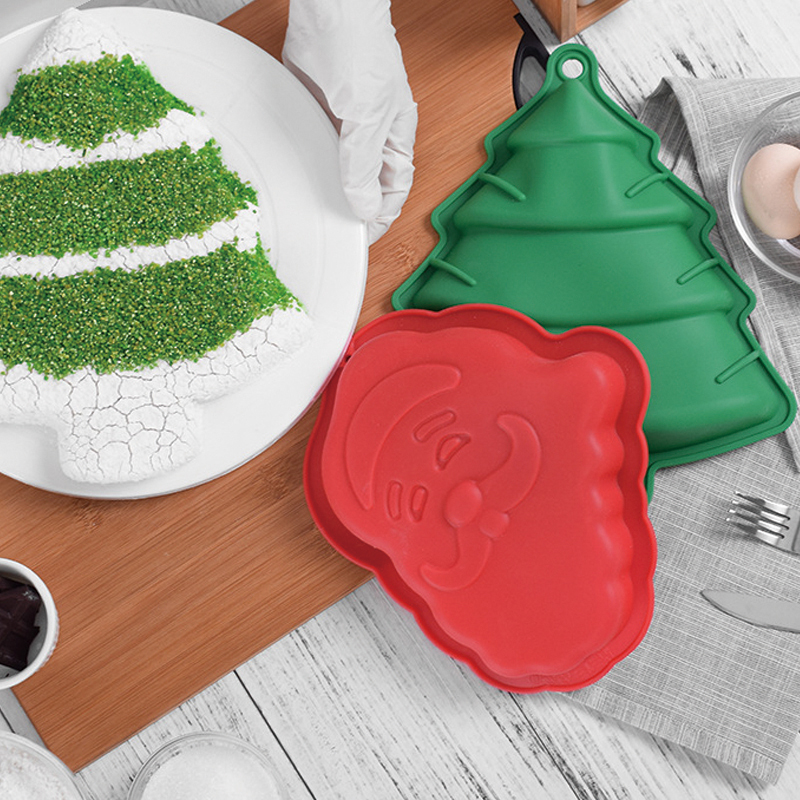
The best reason to use silicone bakeware is what it lets you do after baking. You can peel the mold away from a delicate cake instead of trying to pull the cake out of a rigid pan. That matters for mini Bundt cakes, molded brownies, and designs with decorative ridges. For a loaf with a deeply browned crust, metal may still be the better choice.
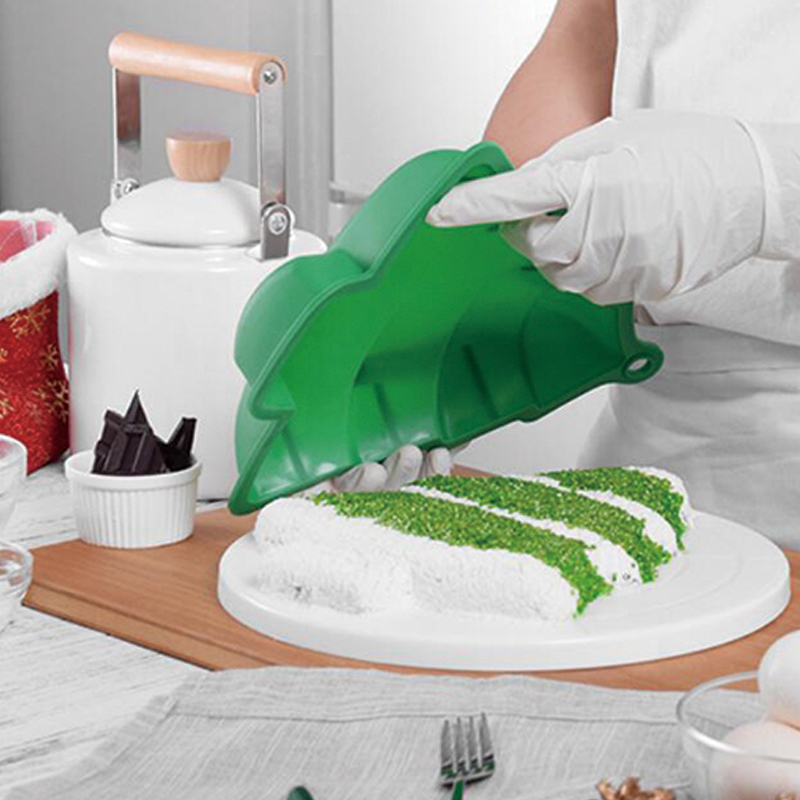
Check two things before using a mold for baking: whether it is intended for food contact and whether it is rated for oven use. A chocolate mold may be suitable for setting chocolate at room temperature but not for baking. A craft mold should not be repurposed for food. Color, thickness, and flexibility cannot tell you which uses the manufacturer supports.
Find the temperature rating on the packaging, product instructions, or specification sheet. If your recipe calls for 425°F (218°C) and the mold is rated to 400°F (204°C), choose another pan. Do not assume that using it for only a few minutes makes it suitable. If you cannot verify the rating, use a different mold.
Keep silicone bakeware away from open flames, stovetop burners, and broiler elements. An oven rating applies to the stated use; it does not make the mold suitable for direct heat. Check freezer, microwave, and dishwasher compatibility separately rather than assuming the oven rating covers all three.
Before first use, follow the manufacturer's cleaning instructions. If handwashing is recommended, use warm, soapy water, rinse well, and dry the cavities. Check narrow grooves and corners for trapped water. These spots are easy to miss on a decorative mold.
Set the mold on a rigid baking sheet before you add batter. Choose a sheet that supports the entire base and fits level in the oven. If you use individual silicone muffin cups, arrange them on the sheet with room to lift it securely.
This step solves a handling problem, not just a baking problem. A flexible mold can bend as you carry it, shifting batter from one cavity to another. Keep the mold on the sheet when transferring the hot batch out of the oven, too.
Many silicone molds release well without grease. For a new decorative mold, a thin coat of the fat recommended by your recipe can be worth testing if the mold instructions allow it. Brush it into the grooves without leaving pools in the bottom.
Do not automatically grease a mold for a recipe that specifies an ungreased pan. If the recipe depends on the batter gripping the pan as it rises, its pan instructions matter more than a general tip about silicone.
For a familiar muffin or cupcake batter, filling the cavities about two-thirds full is a reasonable starting point, not a universal rule. Use the recipe's fill guidance when it provides one. Leave room for batters that rise substantially, and test an unfamiliar batter before filling a whole tray.
A scoop works for everyday muffins. A kitchen scale is more useful if you want to repeat a result: weigh the batter for one cavity, then use that weight for the rest. Record it if you plan to bake the same recipe again.
Use the recipe's temperature as your starting point if it is within the mold's rating. Avoid changing the temperature and time together on your first attempt. A deep mini loaf and a shallow cupcake can finish at different times even if they hold similar amounts of batter.
Start checking near the early end of the recipe's time range. For many cakes, a skewer should come out without wet batter; brownies may be ready with moist crumbs, depending on the recipe. Silicone can produce lighter sides than metal, so do not add time just to match the color you expect from a metal pan.
Start with the recipe's cooling guidance. If the first piece bends, cracks, or leaves crumbs in the mold, give the rest more time before trying again. Turn out one piece first rather than inverting the entire tray.
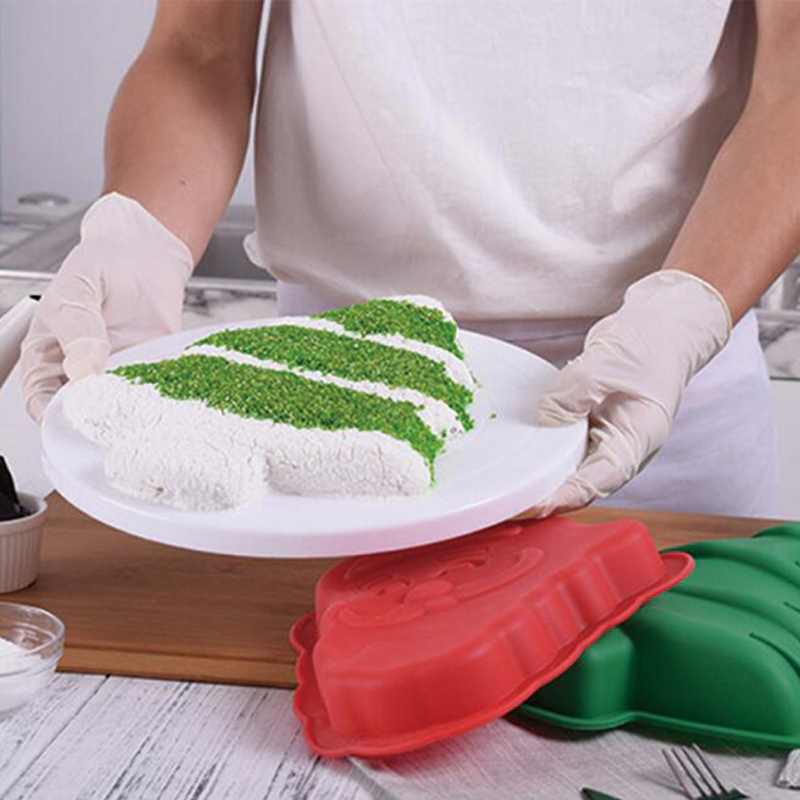
Loosen the rim, support the bake with your hand, and peel the silicone back a little at a time. On a deep decorative mold, work around the sides before easing the base away. Avoid knives and sharp tools that could cut the cavity.
| What you're baking | Where silicone helps | When to choose metal |
|---|---|---|
| Cupcakes and muffins | Flexible cups can be peeled away without paper liners. | You want more browning on the sides or a rigid pan you can move without a support sheet. |
| Mini Bundt cakes and shaped brownies | The mold can flex away from ridges and other decorative details. | You prefer a firmer, more browned edge and the shape is simple enough to release cleanly. |
| Quick breads and mini loaves | Individual portions can be released without pulling on their tops. | A browned crust is central to the result or the recipe was developed for a specific metal pan. |
| Chocolate and chilled desserts | Flexibility helps release detailed shapes once they have set. | Browning is irrelevant here. Choose a food-contact mold rated for the intended use, regardless of material. |
If you already like a recipe baked in metal, use it as your baseline. Divide one batch of batter between the silicone mold and a metal pan with cavities of similar size and depth. Use the same batter weight per cavity and the same oven setting. If the pans cannot sit side by side without crowding, run separate batches using the same rack position and note the order.
Record when each batch reaches the recipe's doneness cues, how the sides brown, and how many pieces release intact. Compare them again after cooling. A pale edge might not matter if the crumb is right; a deep ridge that breaks on every release is a reason to rethink the design. Keep the notes with the recipe rather than applying a fixed time adjustment to every silicone mold.
From a manufacturer's perspective, a mold should be judged filled, baked, washed, and handled—not just photographed empty. A deep groove may look sharp in a rendering but be difficult to fill with thick batter or clean after several batches. A broad rim is only useful if the filled mold fits the support tray and can be moved comfortably with oven mitts.
For a custom design, agree on the following before approving a production sample:
- Cavity dimensions, usable fill volume, and the target weight of the finished portion.
- The level of detail the finished bake must retain and which areas are likely to tear during release.
- The overall footprint, including whether the mold fits the trays and packaging already in use.
- The operating and care instructions that will appear on the retail pack.
Test the sample with the batter your customer is most likely to use. Run more than one bake and wash cycle, then compare handling, release, and cleanup. A soft sample is not necessarily a better sample: the goal is enough flexibility for release without sacrificing stability during filling and transfer.
For supermarkets, wholesalers, brands, and online retailers, ask for SKU-level documentation. A generic statement that a product is "food-grade" does not tell you what was tested or whether the report covers the item you plan to sell.
- Match the report or documented product family to the finished item, material, and colorways you intend to order.
- Confirm the destination market, intended food contact, and time and temperature conditions covered by the documentation.
- Separate food-contact evidence from other supplier records. ISO 9001 relates to quality management, and amfori BSCI relates to social compliance auditing. FDA-related and German LFGB-related evidence should be reviewed for its actual scope. REACH documentation is a separate consideration, not a substitute for food-contact evidence.
- Approve a reference sample and agree on what you will inspect at delivery: cavity dimensions, appearance, stability, packaging, and consistency with the approved sample.
Yangjiang Hongyuan Trading Co., Ltd. manufactures silicone bakeware and kitchenware for OEM and ODM programs. Our production setup includes a 4,500 m² main factory and a 2,000 m² secondary facility. We report the capacity to deliver orders of up to one million pieces within 60 days, subject to design, tooling, order mix, and the agreed schedule. We serve customers in the EU, United States, United Kingdom, Australia, and South America.
Planning a silicone bakeware range? Send us your target market, mold drawing or reference image, cavity dimensions, estimated quantity, and packaging requirements. We can discuss sample development, the documentation available for the proposed item, and the production schedule for your order.
Not always. Follow the mold and recipe instructions. If a detailed mold repeatedly holds on to a particular cake, try a thin coat of the recommended fat on the next batch, provided the instructions allow it.
Use a rigid baking sheet for flexible molds unless the manufacturer specifies a different setup. The sheet keeps the cavities level and gives you a stable surface to grip when removing the hot batch.
They can, but there is no universal time adjustment. Cavity depth, batter, oven, and pan design all affect timing. Start checking near the early end of the recipe's stated range and judge the center independently of the edge color.
Only if the manufacturer specifies that it is intended for oven use and rates it for the temperature you need. A food-contact mold intended for chocolate or gummies is not automatically suitable for baking.
It may have been too warm, underbaked, or caught in a deep detail. Let the rest of the batch set longer, then support each piece and peel back the silicone rather than pulling on the cake. If the same feature tears every time, test a different batter or a simpler cavity.
Follow the care instructions. If handwashing, use warm water, mild dish soap, and a soft sponge. Use the dishwasher only if the mold is labeled for it. Dry the cavities and store the mold flat or otherwise supported so its shape is easy to recover for the next bake.
No. A report describes the product or sample evaluated, the test conditions, and the results against the relevant criteria. It is not a promise of zero transfer at any temperature or under every use. Check the report's scope and follow the product's use instructions.
1. PJ Bold. *How to Bake in Silicone Molds with Practical Tips.* [Read the article]. [pjbold]
2. King Arthur Baking Company. *Your Complete Guide to Baking Pans.* [Read the guide]. Reference for comparing silicone and metal bakeware, including differences in browning and handling. [kingarthurbaking]
3. Electronic Code of Federal Regulations. *21 CFR § 177.2600 — Rubber Articles Intended for Repeated Use.* [View the regulation]. U.S. regulatory reference for repeated-use rubber articles intended for food contact. [ecfr]
4. German Federal Institute for Risk Assessment (BfR). *BfR Recommendations on Food Contact Materials.* [View the recommendations]. Reference for German food-contact material assessment, including Recommendation XV on silicones. [bfr.bund]


