


Views: 258 Author: Hongyuan Silicone Publish Time: 2026-11-16 Origin: Site


Content Menu
● 1. Compact Silicone Bakeware Is Becoming an Appliance-Fit Decision
>> How to Specify Silicone Bakeware for Air Fryers
● 2. Buyers Should Evaluate Flexibility and Support Together
>> Match the Mold Structure to the Filled Product
● 3. Private-Label Silicone Bakeware Is More Than a Color Change
● 4. Food-Contact Documentation Must Follow the Finished SKU
>> What Global Buyers Should Verify by Market
● 5. Three Approval Gates Before a High-Volume Order
>> Gate 1: Approve the Product in Use
>> Gate 2: Approve the Packed SKU
>> Gate 3: Approve the Production and Delivery Plan
● Plan Your Next Silicone Bakeware Collection
>> What silicone bakeware formats should a global brand evaluate first?
>> Is platinum-cured silicone enough to prove food-contact compliance?
>> Can one food-contact test report cover every color in a range?
>> What makes a silicone mold suitable for air fryer use?
>> How can buyers check whether a silicone loaf pan needs a support tray?
>> What should buyers include in a silicone bakeware request for quotation?
The silicone bakeware trends worth acting on are the ones you can turn into a clear product specification: compact molds that fit the appliances shoppers own, flexible pans that stay manageable when filled, and private-label collections that perform consistently from sample to shipment. At Yangjiang Hongyuan Trading Co., Ltd., our manufacturing perspective is simple: choose the baking task first, then design the product, testing plan, and packaging around it.
This guide is for supermarket buyers, wholesalers, kitchenware brands, and online retailers developing an OEM or ODM silicone bakeware range. It looks at visible product directions and how to evaluate them—not at market-size forecasts or claims about which format sells fastest.
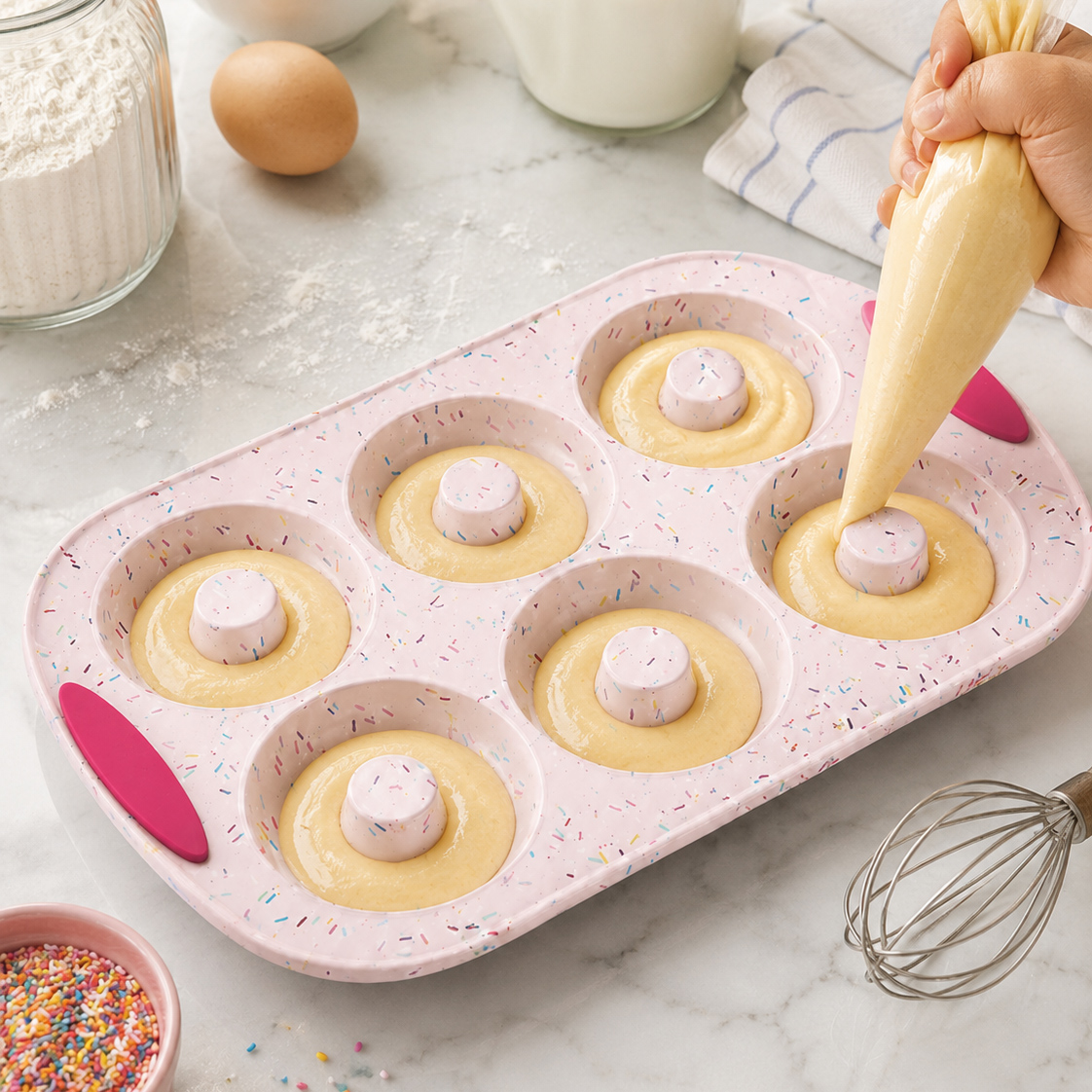
Mini loaf pans, muffin cups, and reusable liners are already marketed for air fryers. For buyers, the useful signal is not that every assortment needs an air fryer line. It is that a product built for a specific appliance must answer a question ordinary bakeware can often avoid: *Will this fit and work in my kitchen?*
Basket capacity alone is not enough to answer that question. Two appliances sold with the same nominal capacity can have different usable footprints. Measure the mold at its widest point, including handles and rims. Then check the basket opening, the usable base, and the clearance needed to lift the mold out.
- Record exterior length, width, and height, plus cavity dimensions and usable fill volume.
- Define the appliance models or basket dimensions used for fit checks. Avoid "fits all" language.
- Follow the appliance manufacturer's accessory and clearance instructions when validating the design.
- Test a representative recipe, not just an empty mold. Record how the product sits when filled, whether the recipe bakes evenly enough for the intended use, and how easily the mold can be removed.
- Show the exterior dimensions and any fit limitations in a product image, where shoppers can find them before ordering.
A mini loaf mold and a muffin tray are not interchangeable simply because both fit. The loaf mold may suit a shopper making one small batch; the muffin tray may be easier to merchandise around portioned breakfasts or snacks. The best launch format is the one whose use you can demonstrate clearly.
Easy release is a common selling point for silicone baking molds, but it does not tell the whole story. A pan that peels away cleanly after cooling can still be awkward to move when it is full of batter. Flexibility should be designed around the baking task, not treated as a quality score on its own.
| Silicone bakeware format | What to check in the sample | What to communicate to shoppers |
|---|---|---|
| Baking mat | Whether it lies flat and fits the intended tray | Mat dimensions and compatible tray size |
| Individual muffin cups | Whether the cup stands steadily when filled and releases the finished muffin | Cavity capacity and whether a tray is needed |
| Multi-cavity muffin mold | Whether the tray twists when lifted with all cavities filled | Filled handling and transfer instructions |
| Loaf or cake pan | Whether walls bow and the rim stays manageable during transfer | Fill guidance, support requirements, and serving size |
| Detailed dessert mold | Whether fine shapes release intact and cavities are easy to clean | Best uses, release technique, and care instructions |
Our recommendation is to compare two samples using the same recipe, fill weight, appliance setting, and cooling time. Ask the tester to move each filled mold, release the baked item, and wash the product afterward. That comparison tells a buyer more than squeezing an empty sample in a showroom.
Write instructions around what you observe. If the mold needs a rigid baking sheet for support, say so on the packaging and listing. If a recipe releases best after cooling, demonstrate that in the product video rather than implying every bake will release immediately.
A matching color palette helps a collection look consistent. A shared baking task gives shoppers a reason to buy the pieces together. For example, a small-batch baking range could pair a mini loaf pan with a muffin mold. A gift set might combine a decorative dessert mold with a recipe card that shows how much batter each cavity holds.
The channel should shape the brief:
- Supermarkets need a pack that explains the product at a glance. Put the shape, cavity count, and primary use on the front; make dimensions and care instructions easy to find.
- Wholesalers need consistent SKU identifiers, carton quantities, and reorder specifications. Decide which changes would trigger a new item code or require buyer approval.
- Kitchenware brands can differentiate through cavity geometry, rim design, or a better handling experience. Identify the feature customers will notice in use before committing to custom tooling.
- Online retailers should photograph the product beside a familiar tray or appliance basket and include a dimension diagram. Show how the mold is handled when filled, not just how it looks on a countertop.
For OEM projects, the buyer typically brings a specification or design for the supplier to manufacture. With ODM, the supplier contributes an existing design or helps develop one. Either route can work. Before quoting, establish whether the project needs existing or new tooling, who owns it, which features can change, and who approves those changes.
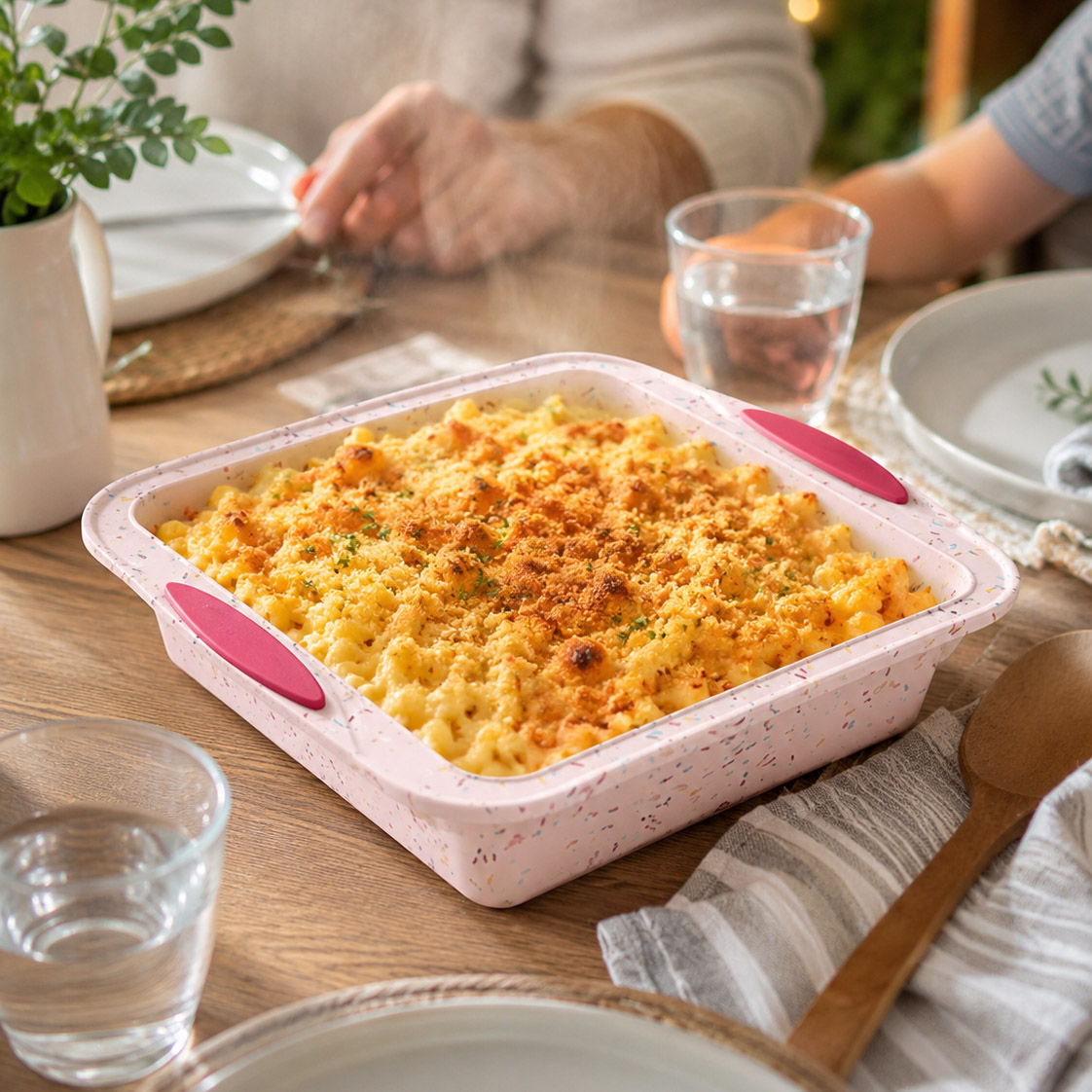
"Food-grade silicone" is a useful description only when the supplier can show what it means for the finished item and its intended use. Ask for documentation that identifies the product or representative sample, the tested formulation or color where relevant, and the conditions assessed. A report for one mold does not automatically cover a different compound, pigment, or construction.
| Market or requirement | What to request or confirm |
|---|---|
| United States | Identify the applicable food-contact basis. Where 21 CFR 177.2600 applies, verify relevant composition and extractives requirements for repeated-use rubber articles. |
| European Union | Address the food-contact framework under Regulation (EC) No 1935/2004 and good manufacturing practice under Regulation (EC) No 2023/2006. Check destination-country requirements for silicone articles. |
| Germany | Review applicable LFGB provisions and the relevance of BfR Recommendation XV for silicones. The BfR recommendation is a technical reference, not a standalone legal approval. |
| United Kingdom, Australia, or South America | Confirm requirements with the importer or a qualified laboratory for the destination. For South America, name the country rather than treating the region as one market. |
Keep supplier credentials separate from product evidence. ISO 9001 concerns the quality management system. An amfori BSCI audit concerns social compliance at a site. REACH obligations address chemicals and do not replace a food-contact assessment. Likewise, an FDA-related test report should not be marketed as blanket FDA approval.
Apply the same discipline to performance claims. Platinum-cured silicone describes a curing system, not proof of a temperature rating or suitability for every cooking method. Verify oven, freezer, microwave, dishwasher, and air fryer claims separately as applicable. Put only the supported claims on the carton and product page.
The most expensive time to discover that a loaf pan bows or a retail carton will not close is after production has started. Use three approval gates to move design and merchandising decisions ahead of the purchase order.
Agree on dimensions, fill volume, color, wall and rim design, and the claims the product must support. Test representative recipes and document release, handling, cleaning, and any changes after repeated use under an agreed protocol. Keep a signed or otherwise formally approved reference sample so the factory and buyer are working from the same standard.
Check a production-intent sample in its actual retail packaging. Confirm barcode placement, legibility, pack count, instructions, and master-carton configuration. If the mold is folded or compressed for shipping, unpack a sample after an agreed storage period and check whether it returns to the approved shape.
Have the supplier separate tooling, sample approval, applicable testing, mass production, inspection, packing, and dispatch. Define the date that starts the lead-time clock and what "delivery" means under the quote. An ex-factory date and a retailer's warehouse receipt date are different milestones.
Yangjiang Hongyuan Trading Co., Ltd. operates a 4,500 m² main factory and a 2,000 m² secondary factory. We serve customers in the EU, US, UK, Australia, and South America and report the capability to fulfill a one-million-piece order within 60 days. For a specific order, confirm the schedule against the SKU mix, tooling status, packaging requirements, inspection milestones, and agreed delivery terms.
Start with one product that solves a clear baking problem. Then add formats that share the same shopper, appliance, or use occasion. A range designed this way is easier to explain, test, and reorder than a catalog assembled around matching colors alone.
For an OEM or ODM quote, send Yangjiang Hongyuan Trading Co., Ltd. your target markets, sales channel, drawings or reference samples, estimated units per SKU, required claims, packaging brief, and delivery deadline. Ask for a proposal that separates tooling, samples, testing, unit pricing, and production milestones so you can compare suppliers on the same basis.
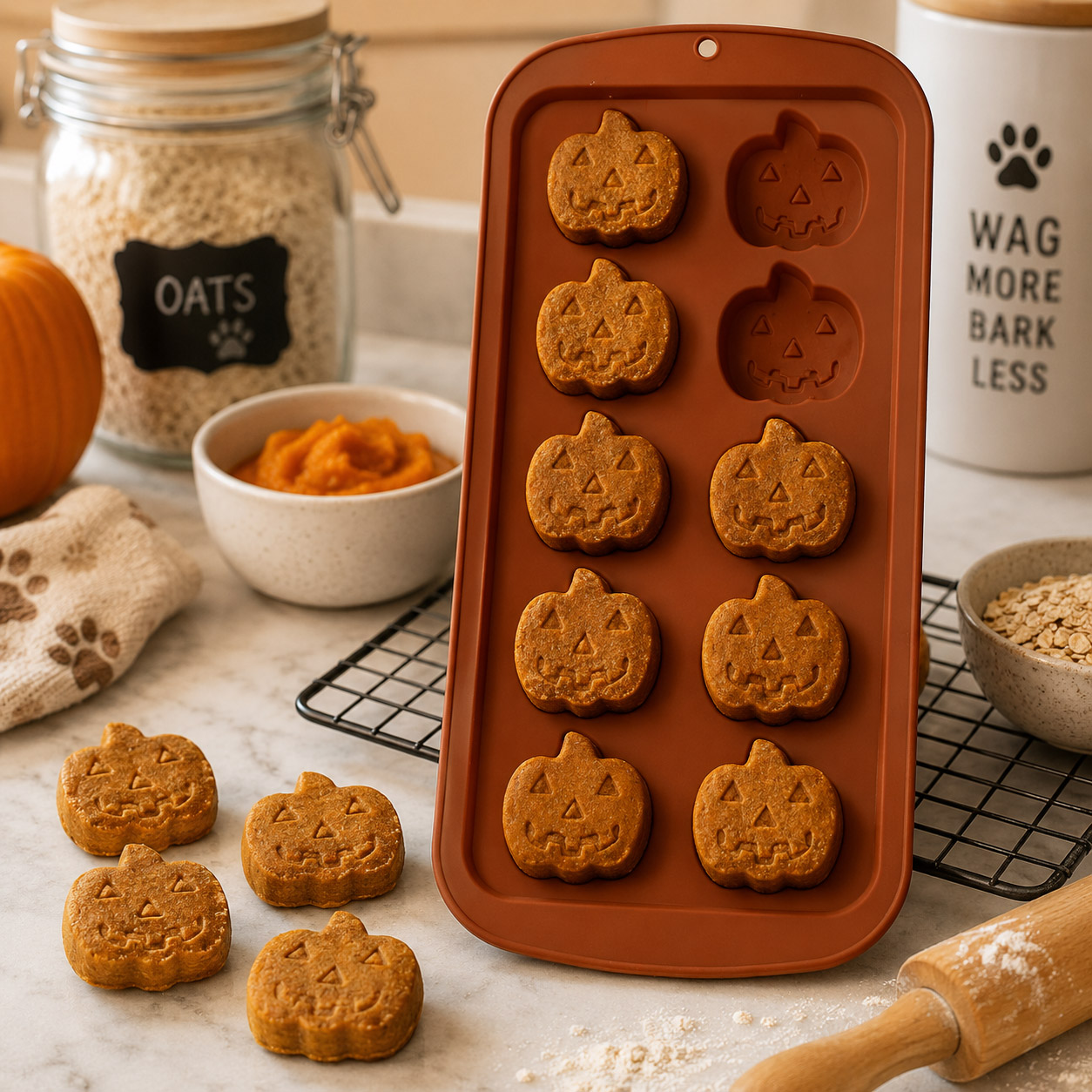
Start with the format that matches a clear customer need: compact muffins or mini loaves for small batches, baking mats for tray-based baking, or decorative molds for gifting and specialty desserts. Compare footprint, filled handling, and release before adding colors or pack sizes.
No. The curing method is one part of the specification. Review the finished article's formulation, intended use, and documentation against the requirements in each destination market.
Not automatically. Ask the supplier and laboratory which formulations and colors the report covers, how representative samples were chosen, and whether a new pigment or material change warrants further assessment.
It must fit the usable basket space, be compatible with the appliance manufacturer's instructions and the mold's verified temperature limit, and perform as claimed in a representative cooking test. A basket's advertised capacity is not proof of compatibility.
Fill a production-intent sample with the intended batter volume and perform a controlled transfer test before baking. Compare handling with and without the specified support. If the pan needs a tray, put that instruction on the package and listing.
Include the destination markets, dimensions, capacity, target quantity by SKU, packaging requirements, intended uses, required documentation, and delivery deadline. Ask the supplier to distinguish existing tooling from custom tooling and define when the quoted lead time begins.
1. [Amazon — Silicone Bakeware for Air Fryers]. Retail listings illustrate commercially available formats, including reusable liners, mini loaf pans, and muffin molds. They do not establish sales volume or market growth.
2. [U.S. Government Publishing Office — Federal Register, February 9, 1994]. Historical regulatory context for specified silicone polymers and repeated-use food-contact applications under 21 CFR 177.2600.
3. [European Parliamentary Research Service — Food Contact Materials: Regulation (EC) No 1935/2004]. An overview of the EU framework for materials and articles intended to come into contact with food.
4. [German Federal Institute for Risk Assessment (BfR) — Recommendations on Food Contact Materials]. The official database for BfR Recommendation XV on silicones. The recommendations are technical references, not legally binding standards.
5. [Galbiati et al. — Risk Assessment of Food Contact Materials II]. Background on food-contact material safety and the assessment of substances that may migrate into food.


