


Views: 261 Author: Hongyuan Silicone Publish Time: 2026-09-30 Origin: Site


Content Menu
● What ODM Changes in a Kitchenware Launch
>> Where the Time Savings Come From
● ODM or OEM: Which Fits Your Launch?
● Choose Products That Fit Your Channel
>> Build an Assortment Around Real Use
● Use a Stage-Gate Launch Plan
● Calculate the Real Launch Timeline
● Treat Food-Contact Evidence as Product-Specific
● Add Three Controls That Protect Speed
>> Control One: Limit First-Order Variations
>> Control Two: Define What Counts as a Defect
>> Control Three: Reserve Time for a Failed Check
● Work With a Manufacturer That Plans With You
>> How is ODM silicone kitchenware different from OEM?
>> Does ODM always eliminate mold costs?
>> Can an ODM utensil design be exclusive to my brand?
>> What documents should I request before importing silicone kitchenware?
>> Is a 60-day production claim the same as a 60-day launch?
>> How can a brand reduce risk on its first ODM order?
Launching a kitchenware line does not have to begin with a new mold. For brands working against a retail buying window, ODM silicone kitchen products offer a practical starting point: select an existing design, define the details that matter to your customers, and move into sampling without developing every component from scratch.
That shortcut is valuable, but it is not automatic. A faster launch still depends on product fit, approved samples, food-contact documentation, packaging accuracy, and a production schedule that holds up under inspection. This guide explains how to use an ODM program to reduce development work without treating speed as a substitute for control.
In an original design manufacturing program, the supplier offers an existing product design for a buyer to select and customize. For silicone kitchenware, that might mean choosing a spatula, turner, spoon, baking mold, or coordinated utensil set from available designs. The buyer then specifies colors, branding, packaging, and, where feasible, product details.
This differs from an OEM project built around a buyer's new drawing or product specification. A new shape may need design reviews, tooling, prototype revisions, and additional validation. An existing ODM design can remove some of those early steps.
The distinction is about the starting point, not the level of care required. A mold that has produced other orders does not prove that your chosen color, material, logo application, set configuration, and packaging are ready for your market.
ODM can shorten the path to a production-ready sample when the supplier already has:
- An existing mold and defined product dimensions.
- A known assembly method for handles, cores, or other components.
- Established material and production specifications.
- A sample of the base product for evaluation.
- Experience packing that product as a single item or set.
The main benefit is fewer unknowns at the beginning. Instead of asking, "Can this tool be made?", the buyer can ask, "Is this tool right for our customer, and what must change before we sell it?"
The right route depends on how much differentiation you need and which deadline matters most. A distinct logo and retail box can build a recognizable private-label range. They do not, however, give the brand an exclusive product shape.
| Decision point | ODM silicone kitchen products | New-design OEM project |
|---|---|---|
| Product starting point | Existing supplier design | Buyer-defined design or specification |
| Main development work | Select, sample, brand, and package | Design, develop tooling, sample, and refine |
| Upfront tooling | May not need a new mold | May require new tooling |
| Design differentiation | Often focused on color, sets, and branding | Can extend to shape and construction |
| Best fit | Market tests and time-sensitive assortments | Products where a unique design is central |
Ask about mold ownership and exclusivity before paying for development. An ODM product may also be available to other buyers. If exclusivity matters, define exactly what is exclusive—the shape, color combination, packaging, territory, or a newly developed component—and put the terms in the purchase agreement.
A quick launch is not a successful launch if the assortment misses its price point or sales channel. Start with the customer's cooking task, then work back to the tool.
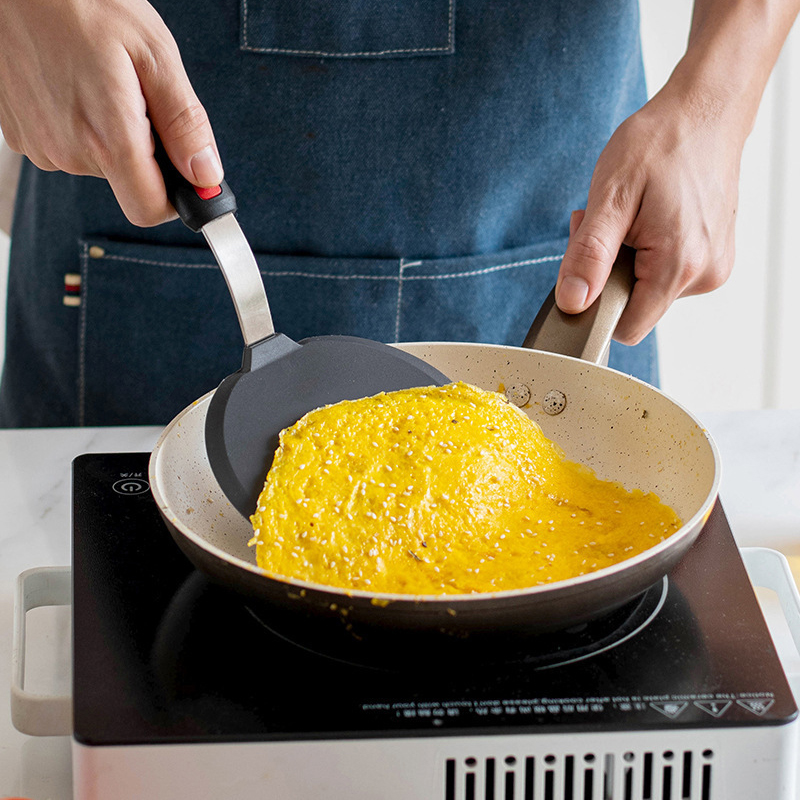
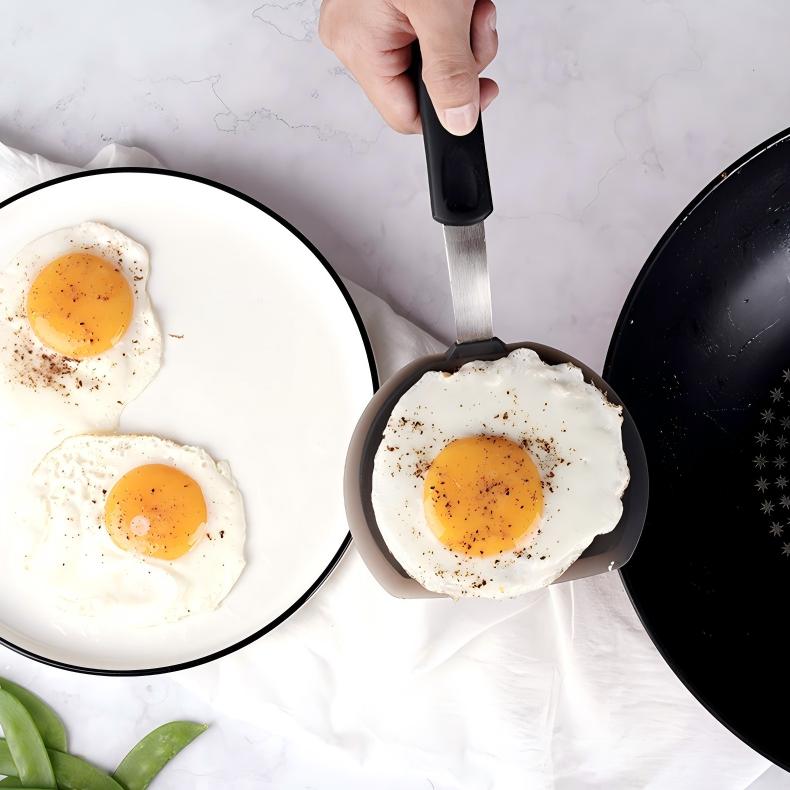
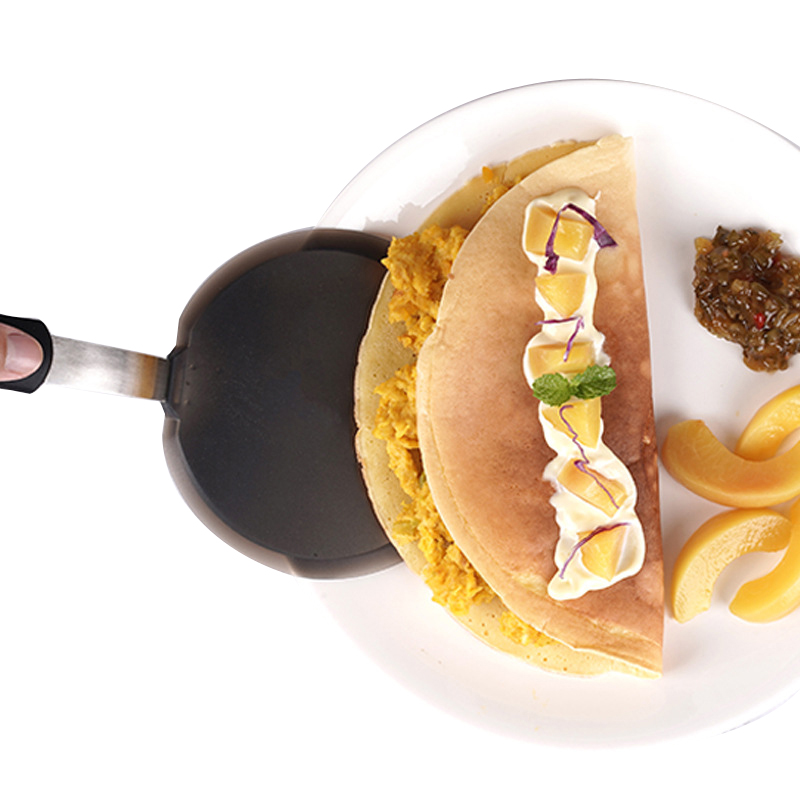
A silicone spatula for batter needs a useful scraping edge. A turner needs enough support to lift food without feeling awkward. A ladle must hold its shape when filled. Tools that look consistent in a product photograph can behave differently in the hand.
For a first private-label silicone kitchenware collection, consider a small range with a clear purpose:
- Everyday cooking: Spatula, turner, spoon, ladle, and tongs.
- Baking: Scraper, brush, whisk, and suitable baking accessories.
- Gift retail: A coordinated set with a holder or presentation box.
- Online retail: A compact bundle with clear dimensions and easy-to-explain uses.
Match the range to the channel. Supermarkets may prioritize shelf dimensions, barcodes, and dependable replenishment. Online retailers may need packaging that protects sets in parcel delivery. Wholesalers may prefer an assortment they can reorder across several customer groups.
Keep the first range focused. Each extra color, tool, or package format adds another sample to approve, stock line to track, and potential source of packing error.
The fastest reliable program is not the one that skips decisions. It is the one that makes each decision at the right time. Use the following approval points to keep small questions from becoming expensive changes during production.
1. Set the commercial brief. Define the destination market, sales channel, target customer, intended retail price, order quantity, and required delivery date.
2. Shortlist existing designs. Review the actual product, not just catalog images. Check weight, grip, flexibility, finish, and how each tool performs its intended task.
3. Lock the specification. Record materials, dimensions, colors, construction, logo method, permitted use, and packaging format for every SKU.
4. Request a representative sample. Include the intended color and branding where possible. Test the complete set if the items will be sold together.
5. Approve evidence and artwork. Check applicable product documents, packaging copy, warnings, barcode placement, and carton information before release.
6. Authorize production in writing. Keep one approved sample and one final specification as the reference for inspections and any later dispute.
7. Inspect before shipment. Check the product against the approved reference, then confirm quantities, set contents, labels, cartons, and shipping marks.
A change after step six is not necessarily small. A revised color can affect material planning. A new box can affect packing time and carton dimensions. Ask the supplier to assess the schedule and cost impact before approving either change.
"Production lead time" and "time to market" are not the same thing. A brand cannot sell a product merely because molding is complete. The useful timeline runs from the approved brief to inventory available for sale.
Plan these activities separately:
| Stage | What the buyer should confirm |
|---|---|
| Product selection | Are samples of the proposed designs available? |
| Customization | Which colors, logos, or components need approval? |
| Documentation | Do reports and declarations cover the intended product and use? |
| Packaging | Are artwork, barcodes, and shipping cartons approved? |
| Production | When is capacity reserved for the confirmed order? |
| Inspection | What happens if rework is needed? |
| Freight and receiving | When will goods actually reach sellable stock? |
Some tasks can overlap. Packaging artwork, for example, can progress while samples are reviewed. Other tasks should not be rushed past an approval point. Printing thousands of boxes before the final product specification is settled can turn a design correction into wasted inventory.
Yangjiang Hongyuan Trading Co., Ltd. reports a 4,500 m² main factory and a 2,000 m² supporting facility, with capacity to complete an order of up to one million pieces within 60 days. Buyers should treat that as a planning capability for a confirmed, suitable order—not as a guaranteed lead time for every SKU. Mold availability, order mix, component sourcing, packaging, testing, and production scheduling must be checked against the exact brief.
International buyers often request documents using familiar shorthand: "FDA," "LFGB," or "REACH." Those labels alone do not answer the question a brand needs answered: Is this particular finished product suitable for its intended use in its destination market?
For EU sales, food-contact kitchenware falls under the general food-contact framework and good manufacturing practice requirements. National requirements may also matter for a specific material or market. For the United States, review the applicable basis for each relevant food-contact component and its conditions of use. German BfR recommendations offer a material-specific reference for silicone, but they are not themselves binding legal standards.
Ask the supplier for a document pack tied to the order:
- The tested product name, model, material, and, where relevant, color.
- The report issuer, date, test scope, and stated use conditions.
- Details for other food-contact components in a multi-material tool.
- Material and batch traceability information.
- The intended temperature and food-contact claims supported by evidence.
- Packaging and label information required by the buyer's market.
Avoid calling an entire utensil "FDA certified" based only on a supplier statement. Likewise, an ISO 9001 certificate concerns a quality management system; it does not replace a food-contact assessment of a particular spatula. An amfori BSCI assessment concerns social performance and is not a product certification.
Yangjiang Hongyuan states that it can support buyers with ISO 9001, amfori BSCI, LFGB-, FDA-, and REACH-related documentation. Before making claims on a product page or retail box, request the current documents and verify which facility, product, material, and use each one actually covers.
Brands often focus on how quickly a supplier can start production. In practice, three less visible controls can do more to protect the launch date.
Suppose a brand wants six tools in four colors, with two packaging styles. That creates more approval and packing combinations than a single coordinated set. Unless the channel needs every variation at launch, begin with the smallest range that can test demand.
This is a commercial choice, not a universal minimum. Ask the factory to quote minimum order quantities by SKU, color, logo method, and package type. Then compare the value of added choice with the extra stock and coordination it requires.
"Good quality" is too vague for a production order. Record acceptable color variation, surface finish, trimming, logo position, assembly strength, and packaging appearance. Identify defects that would make a product unsellable, such as a missing tool in a set or a label with the wrong barcode.
Give the supplier an approved sample and written inspection criteria. That makes feedback faster: both sides can compare the shipment with an agreed standard rather than debating a photograph after packing.
A schedule with no room for correction is fragile. Ask when the first production samples will be reviewed and how much time remains for sorting, rework, or replacement if something fails inspection.
Do not promise a retail launch date based only on the earliest possible factory completion date. Build the plan around the last responsible approval date for product, documents, and packaging, plus a realistic route to your warehouse.
Consider a homeware brand preparing its first silicone utensil set for online sale. It selects five existing tool designs rather than commissioning five new molds. The brand chooses one coordinated color, adds a logo to suitable items, and develops a single retail box.
The development work has not disappeared. The buyer still handles the samples, checks how the turner and spatula perform, confirms food-contact documentation, approves the box, and inspects the finished sets. What changes is the sequence: the team can spend less time proving that a new shape can be manufactured and more time deciding whether the assortment is ready for customers.
After launch, the brand can compare sales and feedback by tool. If one item proves especially valuable but needs a different grip or edge, that evidence can support a later custom-design project. ODM can be the first step toward an original product line, not a replacement for one.
Yangjiang Hongyuan Trading Co., Ltd. supports OEM and ODM silicone kitchenware programs for supermarkets, wholesalers, brands, and online retailers serving the EU, United States, United Kingdom, Australia, and South America. Its stated production footprint and large-order capability can be useful when a launch needs room to scale, provided the team confirms the specifications and schedule for the actual order.
To receive a useful proposal, send your target market, sales channel, preferred products, quantity by SKU and color, branding artwork, packaging requirements, required documents, and target warehouse date. Ask Hongyuan to return a recommended ODM assortment, sample plan, itemized quotation, document list, and milestone-based production schedule. That gives your team something concrete to approve—and a clearer route from product selection to a dependable launch.
ODM begins with a supplier's existing design, which the buyer may customize within the supplier's available options. OEM typically starts from the buyer's design or detailed specification. Ask about tooling, modification limits, and design rights rather than relying on the label alone.
No. Using an existing shape may avoid a new product mold, but a custom component, logo method, or substantial design change could still require tooling. Request a quotation that separates product, tooling, sampling, and packaging charges.
Not automatically. A supplier may offer the same base design to other customers. If exclusivity is essential, agree in writing on its scope, duration, territory, and any related purchase commitments before placing an order.
Request product-specific food-contact evidence relevant to the destination market, material and component specifications, available traceability records, and any retailer-required declarations. Check that report details match the item and intended use. Confirm final import and labeling obligations with a qualified local adviser.
No. Sampling, approvals, applicable testing, inspection, freight, customs, and warehouse receiving may sit outside a quoted production period. Ask for a dated schedule that identifies where each stage begins and ends.
Keep the initial assortment manageable, approve a representative sample, define defects in writing, verify the document pack, and inspect finished goods before shipment. Reorder decisions can then be based on actual sales and customer feedback rather than assumptions.
1. [Yangjiang Hongyuan Trading Co., Ltd. — About Us]. Company-published information about manufacturing capability; factory-area, capacity, service, and market details in this article also reflect the company information supplied for this assignment.
2. [Yangjiang Hongyuan Trading Co., Ltd. — Silicone Kitchen Utensils Wholesale Guide for Distributors]. Company-published context on ODM/OEM selection, assortment planning, production checks, and qualified large-order lead times.
3. [European Commission — Food Contact Materials]. EU food-contact framework and good manufacturing practice requirements.
4. [U.S. Food and Drug Administration — Determining the Regulatory Status of Components of a Food Contact Material]. Component-level regulatory status and conditions-of-use guidance.
5. [U.S. Electronic Code of Federal Regulations — 21 CFR § 177.2600]. U.S. provisions concerning rubber articles intended for repeated use.
6. [German Federal Institute for Risk Assessment — Recommendations on Food Contact Materials]. Scope and legal status of the institute's recommendations for materials including silicone.
7. [International Organization for Standardization — ISO 9001 Explained]. Explanation of quality management certification and its scope.
8. [amfori — amfori BSCI]. Explanation of the social-performance program and its distinction from certification.
9. [EUR-Lex — General Product Safety Regulation]. Current EU general product safety context relevant to retail and online sales. [ecosiliconehub]


